A Better World – The Game Changing Power of Travel Photography
Travel photography reveals the beautiful and amazing sides of places around the planet and the many reasons why people are inspired to go and explore such unique spots. We travel to experience nature, art, architecture or the magical community that make fairy tale destinations so desirable, places like Venice in Italy or maybe one you don’t know – Thorpeness, the magical Peter Pan village in Suffolk.


Both of these popular travel destinations have been under threat from rising levels of the sea for decades and yet with very different outcomes. Venice has now been saved from sinking into the Adriatic with a system of 78 mobile barrier gates, which block the sea during high tides. With so much new engineering technology being used around the world, Thorpeness in Suffolk can also be saved. But not by doing nothing. Currently nothing is what’s been done to hold the sea back and tragically its coastal houses are being knocked down, one by one, due to the UK as an island not actively facing the erosion issues around the coasts of the whole country over the last fifty years.


Media are covering the bulldozing of these stunning million pound properties to highlight the serious encroachment of the sea. The cliffs in Thorpeness are crumbling. Just another statistic which makes our coastline the fastest eroding Island in Europe. Travel photography publicises the beauty of the place and how special a community is but it can also be a strategic game changer. It can help to not only make people around England, or the wider world, not only aware of this hidden wonder, but also stimulate a desire to act, to help finance and to save this and other historically fascinating villages.
Looking beyond the news story of a tragic demolition site of turning coastal family homes into rubble – action which makes people deeply traumatised, homeless, and financially out of pocket – is a good place to start looking for reasons to protect a place. As a travel photographer, you can focus in on the small details to engage people in the unfolding story. For example, the few remaining garden statues which reminds us that there were people living here only days ago, enjoying the incredible sunrises across the sea.


The human tragedy is all around. A prayer to God hammered into the ground, where the cliff top of houses are being pulled down, symbolising how totally heart breaking all this is to the families. They’ve received not only eviction and demolition orders, but also no compensation or alternative living arrangements. Ironically for fairy tale village, Thorpeness flooding and water damage is one of the reasons Thorpe, as it was called originally, came into being in the first place over a hundred years ago.
If you want to grab and then keep peoples attention, you have to take photographs that show how absurd the situation is like – the place next door to the latest demolition is for sale! How heartless is the council employing bulldozers with the slogan on the front saying ‘All in a days work.’ Perhaps the most poignant message of all to drive the point home is the cross and prayer to God by Tinker’s End.


The catalyst for Thorpeness creation was ultimately wanting a great place for us all to escape to and be at one with nature. Stuart Ogilvie, a successful Lawyer, who inherited the surrounding 6,000-acre estate saw this opportunity to make a special place in 1908 and turned this tiny fishing village into a fantasy seaside resort. An extraordinary holiday spot inspired in many ways from his great friend J.M Barrie’s book, Peter Pan, written in 1904. A reimagining of a coastal village that has inspired generations to take their holidays in Thorpeness, away from the hum drum and mundane world we all live and work in.
For those who do not know the story of Peter Pan it is a fantasy about a child called Peter who lives in a mythical place called Never Land with a fairy called Tinker Bell. They occasionally visit the real world of Bloomsbury in London. His decision to never grow up is the reason he wants to take Wendy and the Darling children for company to his fantastical Island. It’s a place full of fairies, mermaids, other lost children and wicked pirates, in particular villainous Captain Hook. Hook is followed by a crocodile. References to all these characters can be found and photographed during your stay in the village.


Thorpeness has a hand dug boating lake for the wildlife – the Meare – opened in 1913. It’s only three feet deep, so children can row safely across it. The Meare, as it’s called, is interestingly the only part of Thorpeness that the Olgilvie family still own and are proud to do so as a family passionate about conservation. Much of the village, inspired and built to look like mock Tudor and Jacobean style buildings, was sadly sold off to pay death duties in the 1970s. Little in realty has actually changed over time in this time warped village. You can still go on adventures and find Wendy’s house, a pirates lair, and the crocodile who wants to eat the rest of Captain Hook.
The village from the house in the clouds, which was originally a 50,000 gallon water tower cleverly disguised by a cottage perched 70 feet in the air. It is now a popular Air B&B property, giving guests fantastic views of the area. To meet the community and capture the spirit of the place you are best off staying there or at The Dolphin Inn, where they claimed pirates plotted for the Crown. It might be the very reason they changed the name to Dolphin after the place burnt down in 1995.


So how do you capture the heart and soul of a place to show the importance of protecting its many memorable sites, festivals, culture and customs for future generations? First by talking to the community about what makes the place truly special then capturing this with your photos. After all a powerful travel photo can, like the Nick Ut’s well known news picture of the girl running along the road on fire from a napalm bomb in the Vietnam, brought the war to a speedy end. Like news images travel photos taken in the right way can and do change the world in extraordinarily positive and uplifting ways.
Making a ‘Better World’ is all about inspiring writers and photographers to look at how travel photography can go beyond pretty picture postcard images or tourist board points of sale, to capturing depth, detail and heritage. Images that are not snatched, but considered in their making, can celebrate the world’s diversity. They can provide a bridge and encourage empathy towards a place as thoughtful, well researched photo stories. In this process, showing how we can exchange knowledge, improve lives and livelihoods, strengthen unique cultural exchanges by visually highlighting the strengths of the place and its community.
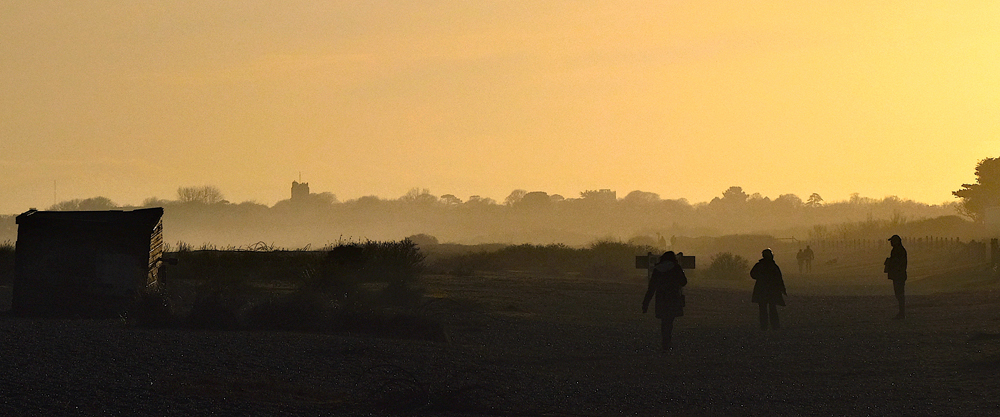
In the process a good photo story can reframe our thinking and break patterns of stereotypical travel pictures, like the happy tourist sitting on a beach drinking a cocktail. With thought provoking pictures you can make tourism a powerful tool for good. So we can, instead of knocking down our coastal houses, where erosion is effecting more than ten villages currently in the UK, look to other countries and places like Venice for solutions. Sea defences, rock cages and underpinning are proving successful.
Most people think telling a story with pictures is easy and as everyone now has a mobile phone. It may on the surface seem to be the case. However, how many images shot on a phone and put on your instagram have really made you think about a place deeply, reconsider your behaviour in a situation or provoke you to act? It was incredibly revealing when the speaker asked a full room of photographers, at the recent Adventure Travel Show, if anyone had ever got a photographic job from Instagram? Not one person put up their hands. There are more effective ways to get your images out there.


How we frame a travel image depends on the story we want to tell. This often means interviewing people and incorporating what they have to say in photo captions and the story. One resident having their home forcibly demolished this week said “The seas of the North and the seas of intrigue are lapping at my home. My Father’s home for over fifty years and the dream place of my youth, that of my friends and their children. We learnt to love there, to hide and to dream ourselves of lives and futures, which have unrolled as years unrolled before us and grandchildren begin to creep in. A hundred men hand dug the lake at Thorpeness. Creatures came, gatherings of birds and children, both of whom squeaks and calls could be heard as they played with each in little boats upon the water. I know that those hundreds of hands that built the Meare would have tried harder to guard the borders of this dream village, where the sea creeps slowly towards our doors and seeks to gently steal away the homes and dreams of generations if nothing is done by the government to stop it with proper sea defences all will be gone.”

These statements help us to step into their shoes and give anchorage and context to the travel photo story of this Suffolk equivalent of Brigadoon. Making us realise how foolish this is, when there are so many solutions available and none have been taken. John, whose family own one of the flats about to be demolished explained “I dream of a community coming together and protecting itself, building up its borders and dreaming bigger by working together to turn this disaster around. As the sea seeks to play its part too, how about a marina or building outwards and reclaiming land so a pier could be created as they have done in Amsterdam. Homes which sit in the landscape of sea and water, beach and dune have many different possibilities if you look around the world for working solutions. What fun to build upon a visionary dream, what opportunity lays itself on doorsteps which could be made new. The undertakers of demolition, replaced with creators of fantastic new realities like the creator of the village Olgilvie, who built within dreams. Voices of joy and creativity singing over the little clamours of doom. I believe in fairies, fantasy and changing realities to dreams. I believe in life, in people and in the joy of mankind, being wonderful, being brilliant and building upon new foundations. I offer the home of my family as foundations to a future and the continuance of something from books, for if Jeeves and Wooster ever had a home for their hearts they would be found here in the panels of the club, upon the golf course, boating upon the lake. It is here that dreams should be built upon, and I challenge the ‘give up Britain’ to start to dream big again and become the great island of creative thinking it is known for around the world.”


Capturing the powerful words and feelings directly from the people effected add depth to the story and opens the door to many visual possiblities. Just Imagine Peter Pan returning as he did to find Wendy and instead discovers the house has been knocked down, because of the lack of current imagination to fight and protect this historic gem from coastal erosion. The moral of this photographic travel article is to take images, that open the mind to what is actually happening and empower us all to do something about saving this historically important village. Neverland in Barrie’s Peter Pan story is ultimately about carrying the childs heart in all of us into adulthood and using the imagination to make a better world. Capturing the timeless mystical beauty of Thorpeness in pictures is the first step to a collective awareness of what is going on, that not only challenges the status quo, but encourages us all to act and not just talk about sustainability.
All images © Juliet Coombe
Check out other features on location on Eye for the Light